
Dry Needling: Everything You Need To Know
If you have ever had a stubborn knot that just does not seem to respond to stretching, massage or exercise, Dry Needling may well be the answer.
It is a treatment technique used by many physiotherapists to help manage muscular pain, tightness & movement restrictions. But what exactly is it, does it hurt & is it actually effective?
Here’s everything you need to know:
What is dry needling?
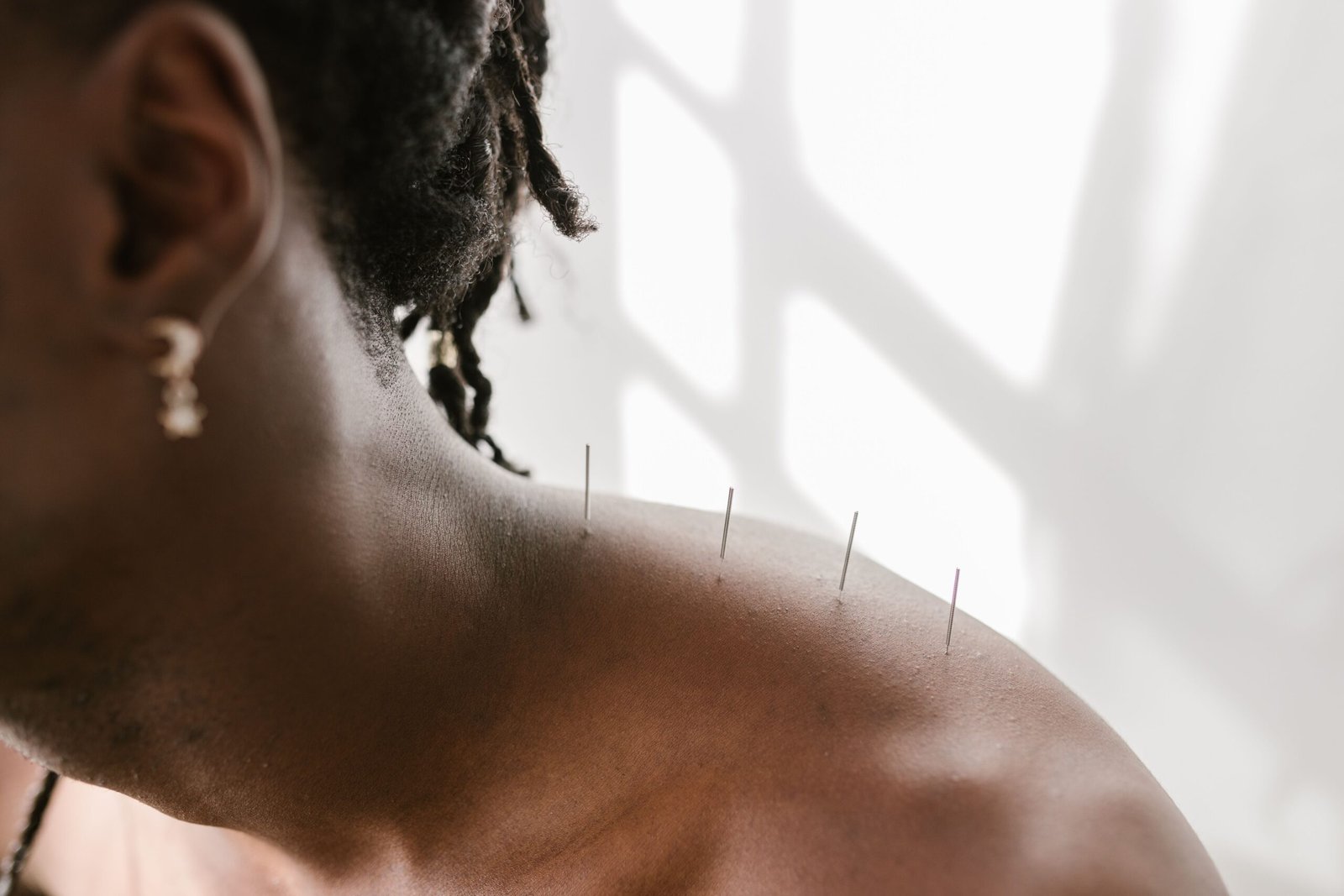
Dry needling is the insertion of a very fine, sterile acupuncture needle into specific areas of muscles. Unlike an injection, nothing is injected into the body, hence the name “dry” needling.
The needle can be used to target areas of increased muscle tension (or knots), commonly referred to as trigger points. Your physiotherapist will fully assess your symptoms & movements first, rather than simply sticking you with a needle into the sore point!
The aim is to help reduce muscle sensitivity & tension & ultimately improve movement. Resulting in decrease pain, allowing you to get the most out of your rehab & get back to what you want to be doing.
What does dry needling actually do?
Dry needling is generally used as part of your rehab rather than as a standalone treatment.
Depending on your individual issue, dry needling may help reduce pain sensitivity, decrease muscle tightness & improve range of movement. This can be particularly useful when muscle pain or restriction is making it difficult to perform exercises / move normally or just get on with life pain free.
For example, someone with persistent neck & shoulder tension may have difficulty turning their head or performing strengthening exercises comfortably. Dry needling may be used alongside manual therapy & targeted exercises to help make those movements easier & more comfortable.
Does dry needling hurt?
This is probably one of the most common questions we hear.
Most people find dry needling much less uncomfortable than they expect. The needles used are extremely fine & the initial insertion is often barely noticeable. You may experience a brief twitch, ache, cramping sensation or a feeling of pressure when the needle reaches the targeted muscle / trigger point.
Everyone responds differently. Some people describe it as a strange sensation rather than a painful one. The post needling ache can follow you out of the session but generally decreases throughout the day.
Is dry needling the same as acupuncture?
No, although the techniques use similar types of very fine needles.
Acupuncture originates from traditional Chinese medicine & is based on a traditional system of treatment involving specific acupuncture points & principles.
Dry needling, when performed by a physiotherapist, is generally used within a musculoskeletal assessment & rehabilitation framework. The treatment is directed towards specific muscles based on the patients symptoms, physical assessment & clinical reasoning.
So, while the needles may look similar, the underlying approach & clinical reasoning can be very different.
What conditions can dry needling help with?
Dry needling may be considered for a range of musculoskeletal problems, including but not limited to:
- Neck & shoulder pain
- Muscle tightness and trigger points
- Certain types of lower back pain
- Sports-related muscle pain
- Hip & gluteal muscle tension
- Calf & hamstring tightness
- Some headaches associated with muscular tension
However, it is not appropriate for everyone or every condition. A proper physiotherapy assessment should always come first. Certain circumstances may mean dry needling needs to be avoided altogether. This is something your physiotherapist will assess & thoroughly discuss with you before they bring the needles out!
Are there any side effects?
Dry needling is generally well tolerated when performed by an appropriately trained physiotherapist using sterile, single-use needles.
It is normal to experience some temporary soreness following treatment, similar to the feeling you might have after exercise. Small areas of bruising can also occur on some occasions.
So, is dry needling worth trying?
For some patients, dry needling can be a useful addition to physiotherapy, particularly when muscle pain or tightness is limiting movement or exercise. However, it should not be viewed as a quick fix.
At KUUR Rehabilitation, we believe the most effective physiotherapy starts with understanding why you are experiencing pain in the first place. Dry needling may form one part of your treatment plan, alongside hands-on therapy, mobility work, strengthening, education & a personalised exercise programme (for you to do as homework!).
Ultimately, the goal is not simply to make a muscle feel better for a few hours or days. It is to help you move better, build confidence in your body & get back to the activities that matter most to you.